
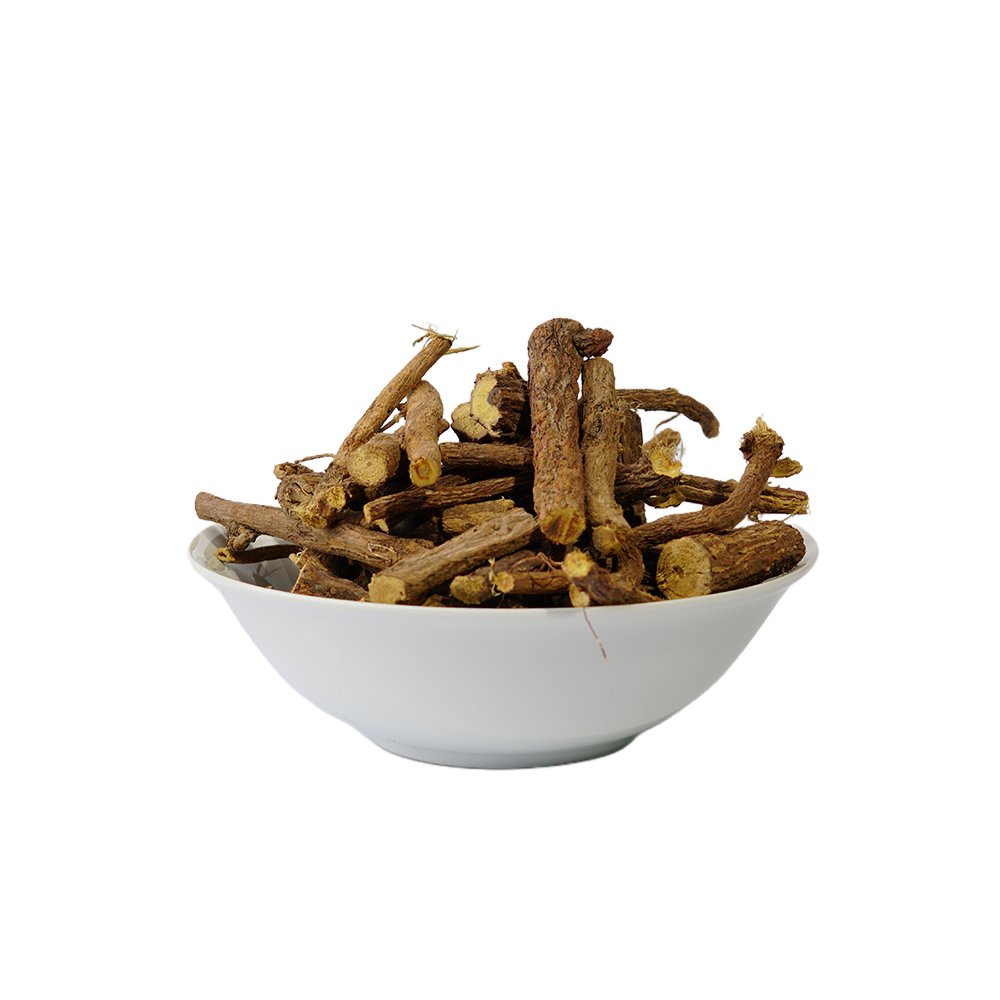
DRIED LICORICE SELECTED LONG STICK
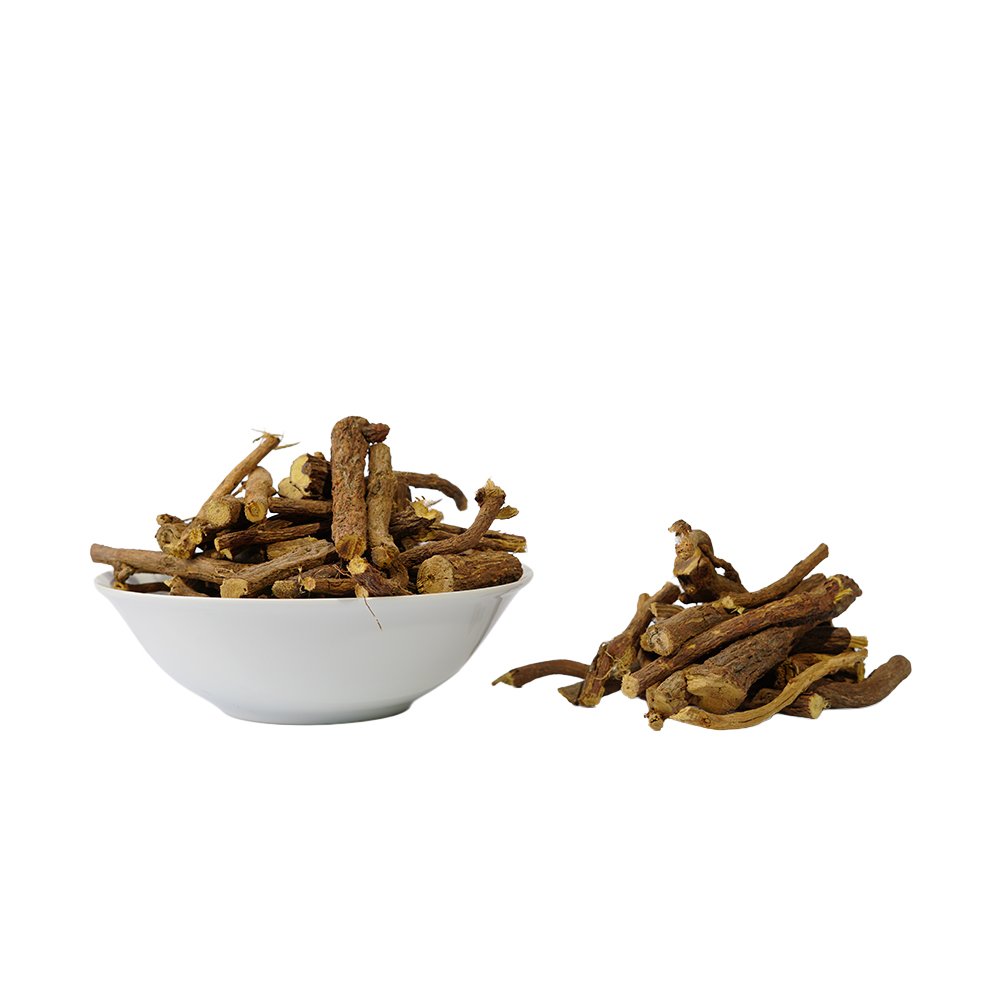
Durvesh International supplies dried licorice root sticks (Glycyrrhiza glabra), sold as selected long sticks, in bulk from Pakistan to US importers, distributors, tea blenders and private-label brands. Request a quote, specification sheet and sample, and ship by sea with the documents your customs broker needs.Dry Licorice Regular Selected Sticks
Botanical / Scientific / Latin Name:
Glycyrrhiza glabra Linn
Arabic Name: Aruq as Soos
Why US buyers source licorice root sticks from Durvesh International
- Whole selected long sticks. You decide the cut, grind or extraction method, so one raw material can feed several product lines.
- Clear product identity. Latin name (Glycyrrhiza glabra L.), Arabic name (Aruq as Soos), and trade names (licorice, liquorice, Asl al-Soos, mulethi) are all stated, which makes it easy to match against your own specification.
- Exporter-direct. You deal with the manufacturer and exporter in Karachi, not a chain of traders.
- Paperwork built for import. A lot-level certificate of analysis and origin papers can be requested before you commit [CONFIRM: documents available].
Grades and packaging formats
Durvesh International sells this item as selected long sticks. Buyers who need a different format, such as cut and sifted pieces or powder, can ask about [CONFIRM: other forms offered] on the same inquiry. For export, sticks are bundled and packed in [CONFIRM: packing type and weights, for example PP bags or cartons with an inner liner]. Moisture-barrier packing and lot coding protect the product in transit and help with traceability if you ever need to trace a lot. Retail-size and private-label packs are [CONFIRM: available or not].Uses and applications
Licorice root has a naturally sweet, anise-like taste, so buyers use it where flavor and aroma matter.- Herbal tea and infusion makers: whole sticks for steeping, or cut and blend your own tea mixes. Durvesh also supplies related botanicals for blends, including dried red rose flower and other items in Herbs & Botanicals.
- Food and beverage makers: flavoring for teas, desserts and meat marinades, and as a base for syrups and flavor systems.
- Botanical and supplement processors: a raw material for milling, extraction and further processing, subject to your own formulation, labeling and claims review.
- Traditional markets: licorice is also used in traditional Chinese Kampo and Ayurvedic practice, and it is traditionally chewed as a mouth freshener. Durvesh International supplies the dried root as an ingredient and makes no health claims about it.
Testing, certifications and documents
US buyers usually ask for the same short list on dried botanicals: identity, moisture, heavy metals, pesticide residues and microbial indicators. Test coverage for this item is [CONFIRM: in-house or third-party lab name and tests performed, with report dates]. Certifications held by Durvesh International: [CONFIRM: list each one with issuing body, certificate number and expiry, for example ISO 22000, ISO 9001, GMP, HACCP, Halal]. FDA food facility registration: [CONFIRM: registration status and number, if any]. Ask for the certificate of analysis for the exact lot before you order, and set your acceptance limits in the purchase specification.Wholesale terms and minimum order
- Minimum order quantity: [CONFIRM: MOQ and unit]
- Samples: [CONFIRM: sample size, free or paid, courier terms]
- Lead time: [CONFIRM: production and shipping lead time]
- Payment terms: [CONFIRM: for example T/T, L/C]
- Pricing: Price on request. Send quantity, packing and destination port for a written quote.
Exporting dried licorice root to the USA
Dried botanicals normally move by sea freight. Durvesh International ships from Pakistan on [CONFIRM: FOB, CFR or CIF terms] from [CONFIRM: port of loading, usually Karachi], and the importer or its customs broker files the US entry. For food use, US importers need to meet FDA requirements, including prior notice of imported food and a foreign food facility registration where applicable. Durvesh can supply the supporting documents once confirmed [CONFIRM: document support]. Duties depend on the product’s tariff classification and current trade policy, so confirm the rate with your customs broker before ordering. Keep your paperwork consistent. State the intended use (food or tea ingredient, or dietary supplement ingredient) the same way on the invoice, your entry and your label. Mismatches between these are a common cause of shipment holds.Safety and labeling note for finished-product makers
Licorice root and its derivatives are listed as generally recognized as safe for specified food uses under 21 CFR 184.1408, within limits. Licorice contains glycyrrhizin, and eating large amounts over time can raise blood pressure and lower potassium. If you make a finished product, you are responsible for formulation, labeling, serving size and any claims, so review them with a qualified food-law advisor.Choosing the right licorice form
| Form | What it is | Best for | Buyer note |
| Whole sticks (this product) | Whole dried root pieces | Steeping, own cutting or milling, extraction feedstock | Most flexible; you control the final cut |
| Cut and sifted | Root cut to small, screened pieces | Tea bag filling and blending | Less processing on your side; sieve size matters |
| Powder | Finely milled root | Capsules, tablets, direct mixing | Check mesh size, moisture and microbial limits |
| Extract | Concentrated, standardized | Flavor and supplement formulation | Specify glycyrrhizin content; separate regulatory review |
Why Durvesh International
- A manufacturer and exporter of herbs, botanicals, spices, Himalayan pink salt, herbal teas and dry fruits, so licorice can ship with other items on one order [CONFIRM: mixed containers possible].
- A named, contactable company in Karachi, Pakistan, with a published phone and sales email.
- A buyer-first inquiry process: tell us your use, volume and port, and the sales team replies with specs, documents and a quote.
FAQs
What are dried licorice root sticks?
Dried licorice root sticks are the dried roots of Glycyrrhiza glabra, supplied as whole sticks rather than cut pieces or powder. The root gets its natural sweetness from glycyrrhizin and has an aroma often compared to anise. Buyers use whole sticks for infusions, or cut, mill, or process them further into tea blends and flavor ingredients.What is the minimum order quantity for licorice root sticks from Durvesh?
The minimum order quantity for dried licorice selected long sticks is [CONFIRM: MOQ and unit]. Durvesh International works with importers, distributors, and private-label brands, and can discuss sample quantities before a full order. Send your quantity, packaging preference, and destination port through the inquiry form, and the sales team will reply with a quote.Is licorice root safe to use in food and tea in the US?
In the US, licorice root and its derivatives are listed as generally recognized as safe for specified food uses under 21 CFR 184.1408, within limits. Licorice contains glycyrrhizin, and eating large amounts over time can raise blood pressure and lower potassium. Finished-product makers are responsible for formulation, labeling, and claims, and should confirm their intended use with a qualified food-law advisor.What documents can I request with a shipment?
Importers commonly ask for a certificate of analysis, specification sheet, certificate of origin, and phytosanitary certificate where required. Durvesh International can supply [CONFIRM: document list] on request. Tell the sales team your intended use, whether food, tea, or dietary supplement ingredient, so the paperwork and descriptions stay consistent with your FDA and customs entry.What is the difference between licorice root sticks and cut and sifted licorice root?
Sticks are the whole root pieces, while cut and sifted licorice is the same root reduced to small, screened pieces. Sticks suit buyers who want to steep, grind, or cut to their own specification. Cut and sifted suits tea bag filling and blending. Ask Durvesh International whether other cuts or powder are available for your process.How should dried licorice root sticks be stored?
Keep licorice root sticks in sealed, moisture-barrier packaging in a cool, dry place away from light. Dried roots absorb moisture, and damp storage can lead to mold and flavor loss. Check the lot’s moisture result on the certificate of analysis and the shelf life stated by Durvesh International [CONFIRM: shelf life] before you plan inventory.How are the sticks packed and shipped to the USA?
Packaging for dried licorice selected long sticks is [CONFIRM: bag or carton type and weights]. Durvesh International ships from Pakistan on [CONFIRM: FOB, CFR, or CIF] terms, and the importer or its customs broker handles US entry. Sea freight is typical for dried botanicals. Request a quote with your destination port for a lead time and freight estimate.Can I order private-label or retail packs?
Private-label and retail-size packing for licorice root sticks is [CONFIRM: available or not]. If offered, buyers normally set the pack size, label design, and ingredient statement, and the brand owner is responsible for US label compliance. Share your target format and expected annual volume in the inquiry so the team can confirm what is possible.Where do the licorice roots come from, and what is the botanical name?
The botanical name is Glycyrrhiza glabra L., also sold as liquorice, mulethi, and Asl al-Soos. Durvesh International exports from Pakistan. The harvest region and country of origin shown on shipping documents are [CONFIRM: origin and harvest region]. Importers should ask for origin documentation, because traceability matters for US customs review and buyer audits.What can licorice root sticks be used for?
Common uses include flavoring herbal teas and infusions, desserts, and meat marinades, and serving as a base for syrups and flavor systems. Licorice is also used in traditional Chinese Kampo and Ayurvedic practice. As a supplier, Durvesh International sells the dried root as an ingredient and does not make health claims about it for any use.Is the licorice root tested for heavy metals and microbes?
Heavy metals, pesticide residues, and microbial indicators are the tests US buyers most often ask for on dried botanicals. Test coverage for this product is [CONFIRM: lab name and tests performed]. Ask for the latest certificate of analysis for the lot you are buying, and set your own acceptance limits in the purchase specification.DRIED LICORICE SELECTED LONG STICK